

The beauty industry rewards creativity, precision, and technical mastery, yet talent alone rarely guarantees long-term advancement. Clients today look for credibility, advanced knowledge, and visible proof of training before placing trust in a professional. Certifications serve as formal recognition of skill, separating hobbyists from serious practitioners. Whether you aim to work in a high-end salon, operate an independent studio, or collaborate with cosmetic brands, structured education can accelerate your career trajectory. Specialized credentials expand service offerings, increase earning potential, and strengthen professional confidence. By investing in respected beauty certifications, you position yourself for higher-level opportunities, stronger client retention, and sustainable progress in a competitive marketplace.
Licensed Cosmetology Certification
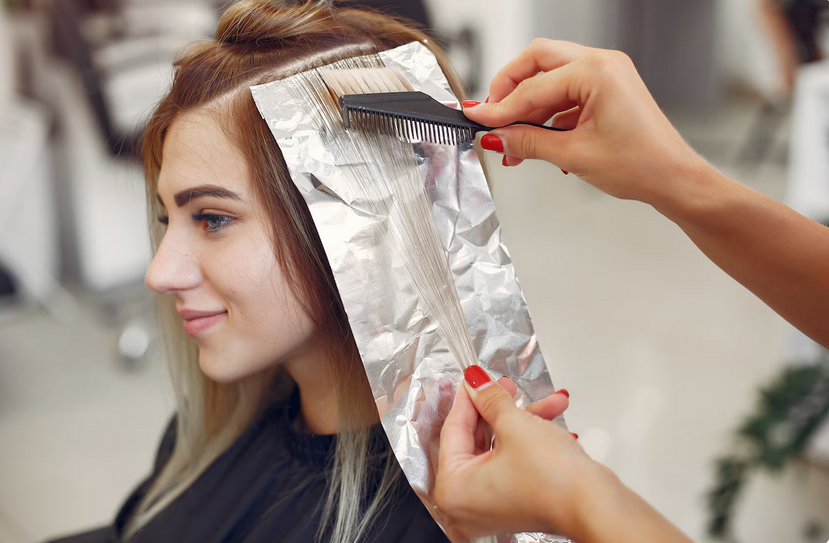
A licensed cosmetology certification remains one of the most foundational credentials in the beauty sector. This qualification typically covers hair cutting, coloring, styling, skincare basics, nail techniques, and sanitation standards. It provides broad technical exposure, allowing professionals to work across multiple service categories. Holding a cosmetology license signals formal training and compliance with health regulations. Clients often prefer certified practitioners because they associate licensing with safety and competence. Beyond technical ability, cosmetology programs teach customer service, business fundamentals, and professional ethics. For those entering the industry, this certification creates a structured entry point. It also offers flexibility; graduates may later specialize in hairstyling, color correction, or salon management. The broad skill base can generate steady income while building a loyal clientele.
Advanced Esthetics Certification
An advanced esthetics certification focuses on skincare treatments beyond basic facials. Training may include chemical peels, microdermabrasion, LED therapy, and advanced exfoliation procedures. With growing awareness around skin health, demand for qualified skincare professionals continues to rise. This certification allows beauty practitioners to address acne, pigmentation issues, early aging signs, and uneven texture with greater confidence. Clients dealing with persistent skin concerns often seek trained estheticians rather than general beauty therapists. Advanced esthetics knowledge also opens doors to medical spas and dermatology clinics. Professionals with this credential can collaborate with healthcare providers in cosmetic treatment environments. The result is expanded career scope and higher earning brackets compared to entry-level roles.
Professional Makeup Artistry Certification
Makeup artistry certifications provide structured training in color theory, face shapes, product chemistry, and application techniques. While many individuals learn makeup informally, professional instruction refines technique and expands creative capacity. Certified makeup artists often secure opportunities in bridal services, fashion shows, editorial shoots, film production, and cosmetic retail. Understanding skin undertones, lighting impact, and product layering increases consistency and client satisfaction. Formal training also builds speed and hygiene awareness, both essential in high-pressure environments such as weddings or backstage events. As social media continues to amplify beauty trends, certified makeup artists may leverage their expertise to grow personal brands and attract premium clients.
Nail Technology Certification
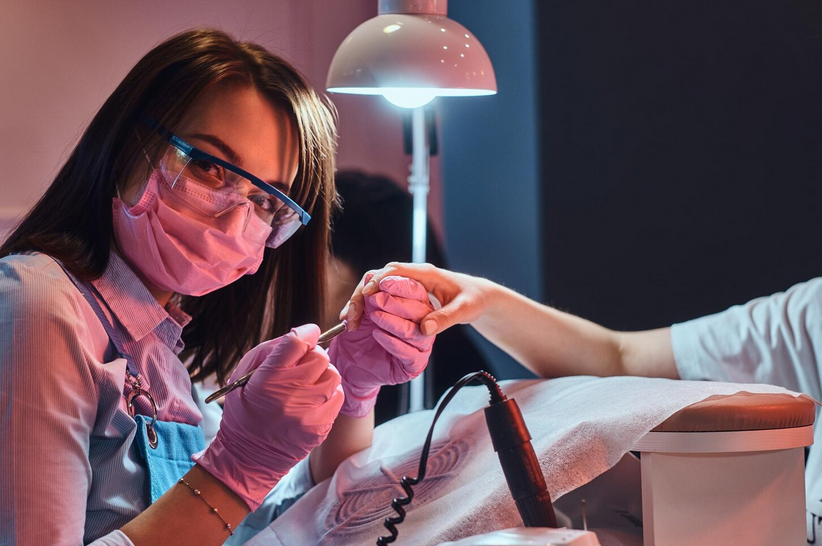
Nail technology certifications concentrate on manicure techniques, gel applications, acrylic sculpting, nail art design, and infection control. This specialization has grown significantly with rising demand for intricate nail designs and long-lasting enhancements. Certified nail technicians can work in salons, open boutique nail studios, or offer mobile services. Detailed training improves product application accuracy and reduces risks of nail damage or infection. Creative nail design also allows professionals to build a distinctive portfolio. Clients frequently return for consistent service quality and innovative styles. A recognized nail certification demonstrates professional credibility, which strengthens trust and repeat bookings.
Permanent Makeup and Microblading Certification
Permanent makeup and microblading certifications focus on semi-permanent cosmetic procedures such as eyebrow shaping, lip tinting, and scalp micropigmentation. This field requires technical precision and strong knowledge of skin anatomy. Because these procedures involve pigment implantation, certified training is crucial for safety and client satisfaction. Professionals learn sterilization protocols, color matching techniques, and aftercare guidance. Permanent makeup services often command higher pricing due to their semi-permanent nature. With proper certification, practitioners can attract clients seeking long-term cosmetic solutions. This specialization may significantly elevate income potential while positioning the professional as a skilled technician in a high-demand service category.
Professional beauty certifications function as career accelerators, providing structured knowledge, technical precision, and recognized credibility. A cosmetology license establishes foundational skills, advanced esthetics expands skincare expertise, makeup artistry certification enhances creative application, nail technology builds specialized service capacity, and permanent makeup credentials open doors to premium treatments. Each qualification contributes to expanded earning potential and professional confidence. By selecting certifications aligned with your interests and long-term goals, you create a stronger professional identity and improve your ability to compete in a demanding industry. Strategic education investments often translate into greater stability, broader opportunities, and sustained growth over time.…